Is knee pain slowing you down? You might be surprised to learn that a humble green vegetable, chayote, also known as vegetable pear or mirliton, could be a natural addition to your diet that helps support joint comfort and overall wellness. While it’s not a magic cure, this nutrient-packed veggie offers several health benefits that may help alleviate symptoms linked to knee pain and other common conditions.
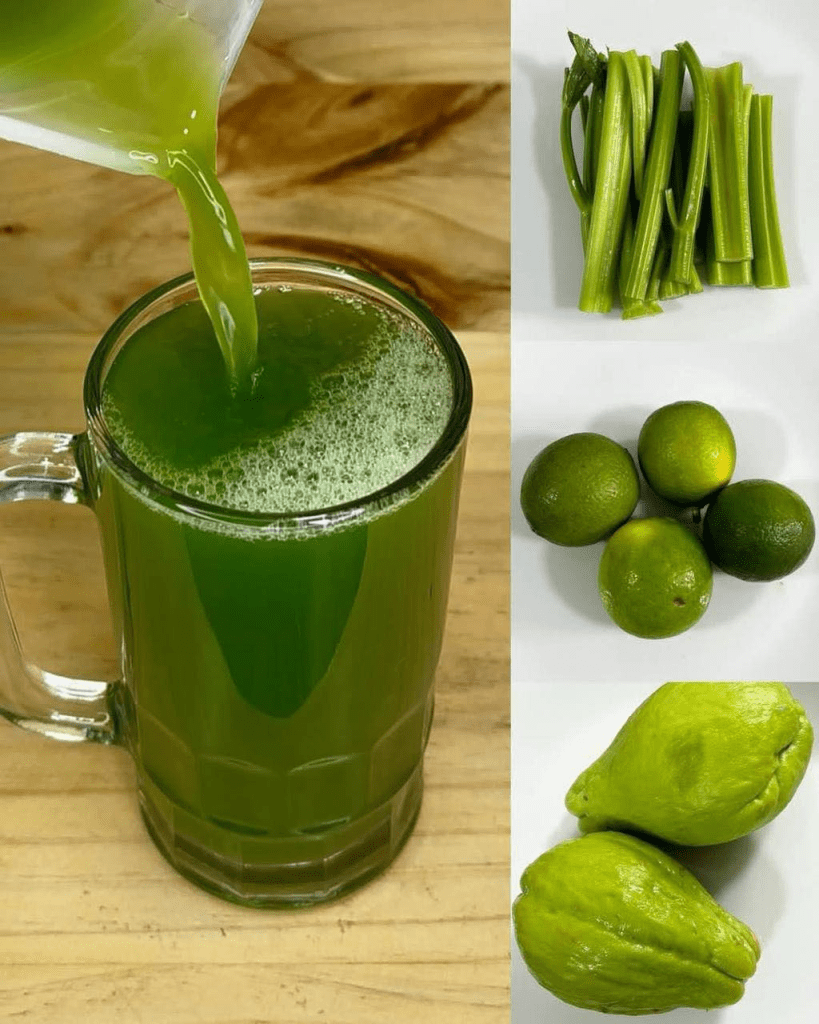
What Is Chayote?
Chayote is a green, wrinkled, pear-shaped squash that belongs to the gourd family. It’s popular in Latin American and Asian cuisine and is known for its mild flavor, crunchy texture, and versatility in cooking. But beyond its taste, chayote packs a punch when it comes to nutrition.
1. Knee Pain Relief
Let’s start with the most talked-about claim: Can chayote eliminate knee pain?
The answer is: not directly — but it can help in the long term. Chayote is rich in antioxidants and natural anti-inflammatory compounds that may reduce inflammation in the body. Chronic inflammation is often a contributing factor in joint pain, including in the knees.
When included regularly in a balanced, anti-inflammatory diet, chayote can be part of a natural approach to managing mild knee discomfort. It also supports tissue repair and joint function thanks to nutrients like vitamin C, zinc, and folate.
2. Supports Healthy Blood Pressure
Chayote is low in sodium and high in potassium — a winning combination for managing high blood pressure. Potassium helps relax blood vessels and counteract the effects of excess sodium, making chayote an excellent food for heart health. Additionally, it acts as a natural diuretic, helping your body release excess fluid and reduce pressure on the circulatory system.
3. Reduces Swollen Feet and Ankles
If you suffer from swollen feet or ankles, especially after long hours on your feet, chayote may help. Thanks to its diuretic properties, it helps the body flush out excess water and sodium, which are often the culprits behind bloating and puffiness in the lower extremities.
4. Lowers Bad Cholesterol
Chayote contains soluble fiber, which plays a role in managing cholesterol levels. Soluble fiber binds to LDL cholesterol (the “bad” kind) in the digestive system and helps remove it from the body before it enters your bloodstream. This can contribute to a healthier cardiovascular profile over time.
5. Fights Mild Anemia
This squash isn’t just low in calories; it also provides modest amounts of iron and folic acid, two nutrients essential for red blood cell production. While chayote alone won’t cure anemia, incorporating it into a nutrient-rich diet may help improve mild deficiencies and overall vitality.
6. Improves Circulation
Healthy circulation is key to energy, brain function, and heart health. Chayote supports circulation in two indirect but important ways:
- By helping lower blood pressure, and
- By aiding in cholesterol control.
Better blood flow can also relieve tension in the limbs and support more efficient oxygen delivery to your muscles and joints.
Final Thoughts: Is Chayote the Secret Weapon in Your Diet?
While chayote won’t magically eliminate knee pain overnight, it’s certainly a smart addition to a health-focused lifestyle. From improving joint comfort and lowering blood pressure to supporting circulation and reducing bloating, this underrated vegetable deserves more space in your kitchen.
Want to experience its benefits today? Try adding chayote to soups, stir-fries, or even raw salads. You can also boil or steam it and season with herbs and olive oil for a simple side dish.
🥗 Bonus: Simple Chayote Salad Recipe
Ingredients:
- 1 chayote, peeled and thinly sliced
- ½ red onion, sliced
- Juice of 1 lime
- A pinch of salt
- Chopped cilantro or parsley
- A drizzle of olive oil
Instructions:
- Blanch the chayote slices in boiling water for 2–3 minutes until just tender, then cool.
- Mix with onion, lime juice, salt, herbs, and olive oil.
- Serve chilled for a refreshing, anti-inflammatory side dish.
See More:
 Stone Breaker (Phyllanthus niruri): A Miracle Herb with 25 Benefits and Practical Ways to Use It

 Wormwood: Benefits and Uses of This Ancient Herb
 Exploring the Health Benefits of Common Mallow: A Nutritional Powerhouse

 Scientists reveal how many times you should have sex per week to avoid depression