The Morel Mushroom (Morchella spp.) is one of the most prized fungi among foragers and chefs alike. Known for their distinctive honeycomb-like caps and rich, nutty flavor, these mushrooms are both a culinary delicacy and a source of health benefits. With numerous species, including the Yellow Morel and Black Morel, these mushrooms are a springtime treasure. In this article, we will explore the most popular types of Morel mushrooms, their health benefits, and tips on how to use them safely.
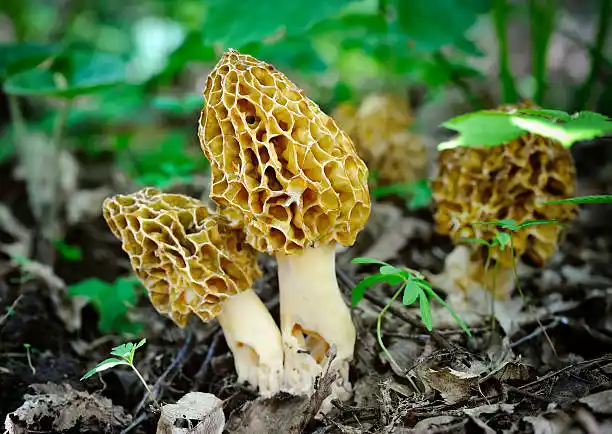
Yellow Morel (Morchella esculenta)
- The most widely recognized and sought-after variety.
- Found in deciduous forests, often near elms, oaks, and ash trees.
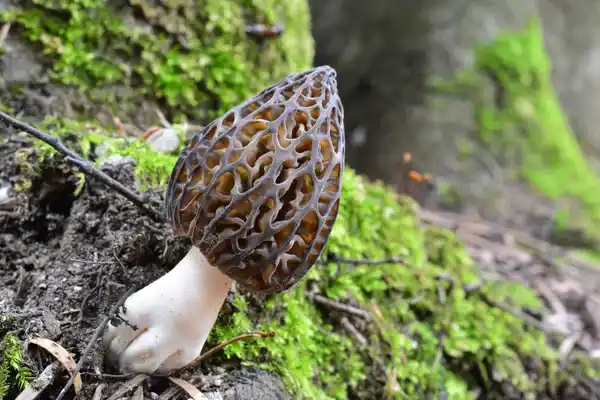
Black Morel (Morchella elata)
- Distinguished by its darker, ridged cap.
- Common in areas affected by forest fires or logging.
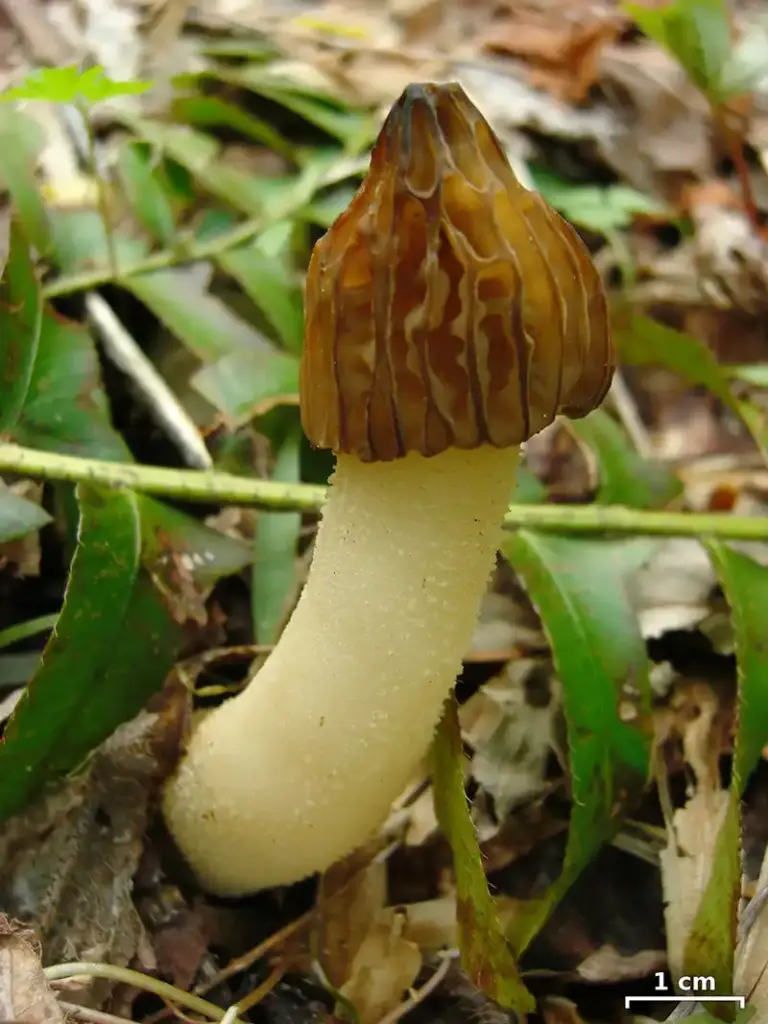
Half-Free Morel (Morchella punctipes)
- Features a cap that is partially attached to the stem.
- Smaller in size but still a favorite among foragers.
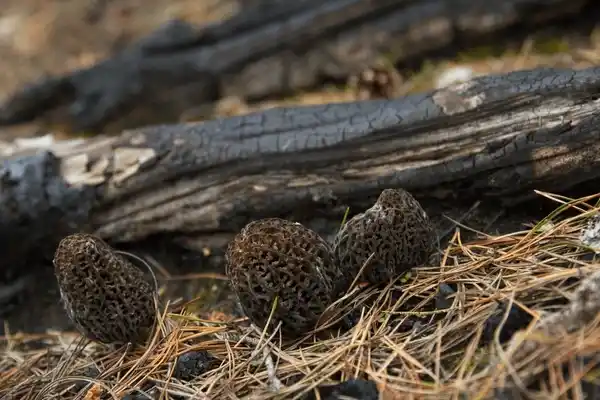
Burn-Site Morel
- Grows in areas affected by recent wildfires.
- Known for appearing in large quantities in disturbed soil.
Health Benefits of Morel Mushrooms
- Rich in Nutrients
- High in vitamins such as D and B-complex.
- Contains essential minerals like copper and potassium.
- Boosts Immunity
- Contains antioxidants that support the immune system.
- Supports Bone Health
- The high vitamin D content aids in calcium absorption.
- Improves Digestion
- Contains dietary fiber that promotes gut health.
- Promotes Healthy Skin
- Rich in antioxidants that combat free radicals and improve skin health.
- Aids in Weight Management
- Low in calories but high in protein and fiber.
- Anti-Inflammatory Properties
- Helps reduce inflammation in the body.
- Supports Heart Health
- Contains compounds that may help lower cholesterol levels.
- Energy Boosting
- The B vitamins improve energy metabolism.
- May Have Anticancer Properties
- Preliminary studies suggest compounds in morels may inhibit tumor growth.
Safe Usage of Morel Mushrooms
- Cooking is Essential
- Never eat morels raw as they contain hydrazine toxins that are neutralized by cooking.
- Sautéing, frying, or simmering for at least 15 minutes ensures safety.
- Proper Cleaning
- Gently brush off dirt or rinse quickly under cold water.
- Avoid soaking for long periods, as they are porous and can absorb too much water.
- Identification Matters
- Be cautious of false morels (Gyromitra spp.), which can be toxic.
- True morels have hollow stems, while false morels do not.
- Moderation is Key
- Even when cooked, consuming large quantities can cause digestive upset.
- Storage
- Fresh morels should be refrigerated and consumed within a few days.
- They can also be dried or frozen for long-term storage.
- Allergy Precautions
- Introduce morels gradually into your diet to check for potential allergies.
Morel mushrooms are not only a gourmet treat but also a powerhouse of nutrients and health benefits. Whether you are foraging in the wild or buying them from a trusted source, proper identification, cleaning, and cooking are crucial to enjoy them safely. With their rich flavor and versatility in cooking, Morels are truly a treasure worth savoring. We are no experts and do not take responsibility for any issues that may arise; this article is for informational purposes only. Always consult with an expert or reliable guide when foraging for these prized fungi to ensure your safety.
See More:
 Inexplicable Beam of Light Appears Over Eskilstuna, Sweden

 A Cry for Help: Rescuing the Stray Dog Beneath the Iron Gate
 KAROL SEVILLA

 Unusual scene: Mysterious alien creature captured on camera while walking into the forest!